
MOBILE APP DEVELOPMENT
Apps people keep on their home screen.
AI-powered mobile app development — native iOS and Android and cross-platform Flutter, backed by Multicore’s deepest portfolio.
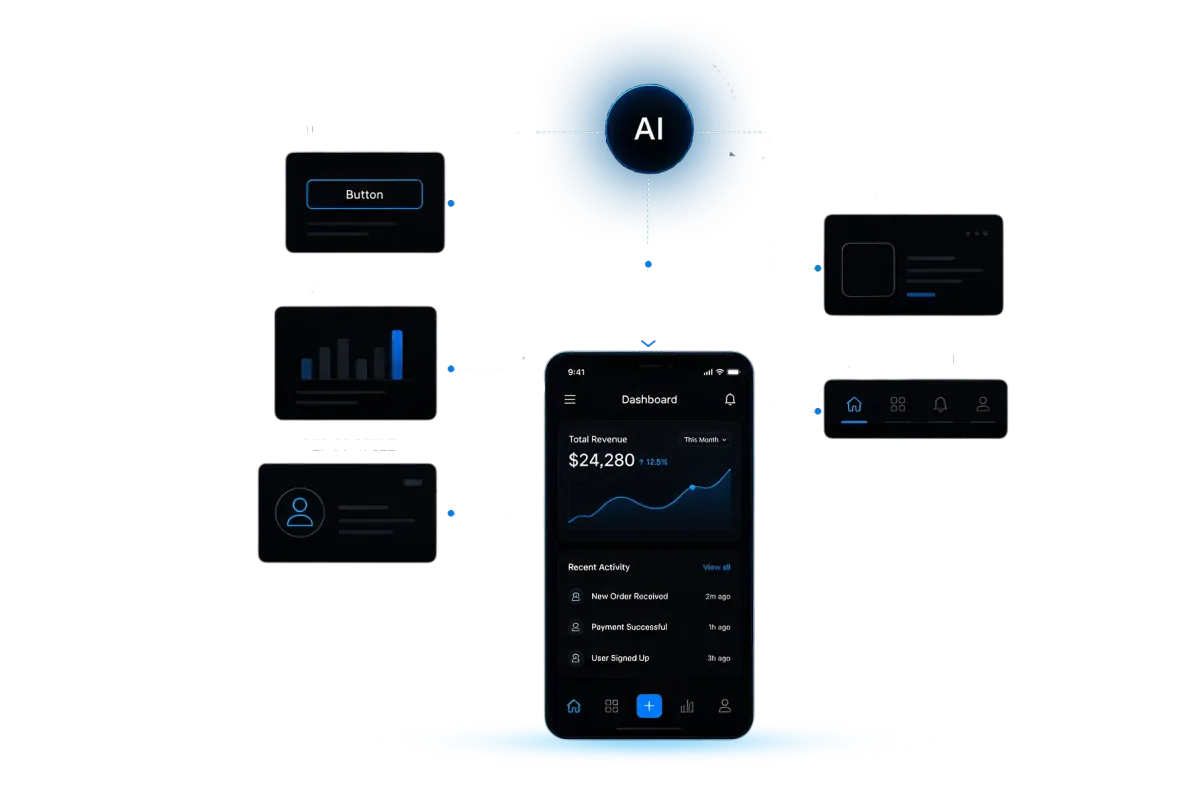
We build mobile apps for iOS and Android — native in Swift and Kotlin where platform depth matters, and cross-platform in React Native and Flutter where shared code pays off, including the Edu Books learning app for children built in Flutter. Increasingly that work includes AI features running in the app, from on-device inference to assistants backed by a model API. We build for the realities of mobile: offline states, battery, app-store review, and the long tail of devices your users actually carry.
How we build mobile
- Native
iOS & Android
Native builds where platform depth, performance or hardware integration matters — from in-cab systems to consumer apps.
- Cross-platform
Flutter & beyond
One team and one codebase serving several surfaces when that’s the right call — without giving up a native feel.
- Intelligent
AI-powered features
Assistants, automation and intelligent workflows built into the app itself, not bolted on after the fact.
Our work
The range
Mobile is Multicore’s deepest portfolio — and increasingly where we put AI to work. The catalogue spans automotive and in-cab systems, fintech and lending, media, education and consumer apps.
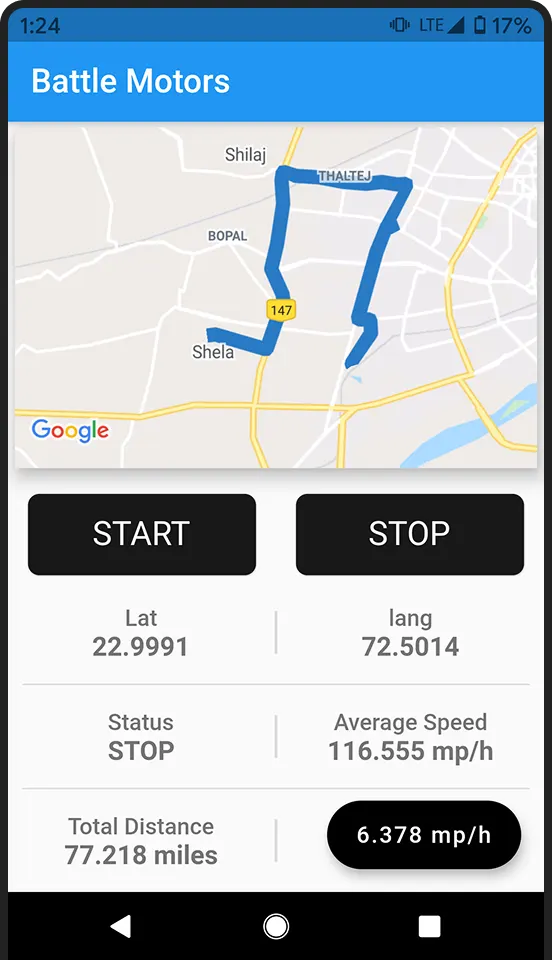
 Battle Motors
 EV Fleet & Battery Management Platform
A unified digital layer for EV fleet operators to monitor, analyse and optimize battery performance in real time.
-
 Real-time Telemetry
 -
 Battery Analytics
 -
 Fleet & Driver Insights
 Change Bowl Fintech
 Digital lending platform with AI-powered credit assessment and loan management.
View case study →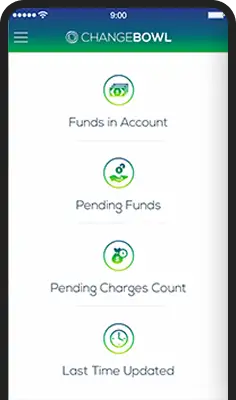
 Chromavid Media
 Video app with personalization, watchlists and content discovery.
View case study →
 EduBooks Education
 Interactive learning app for students with an AI tutor, quizzes and progress tracking.
View case study →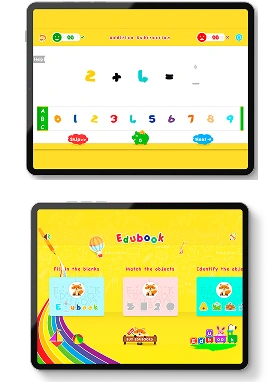
 MUTTS Pet care
 On-demand pet care services for grooming, sitting and veterinary appointments.
View case study →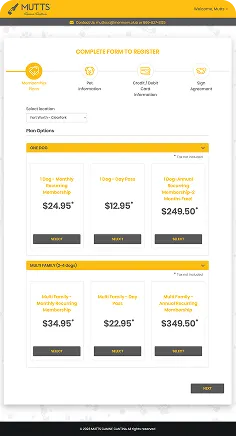
 Romeo Power Automotive · EV
 EV charging management solution with smart routing and station analytics.
View case study →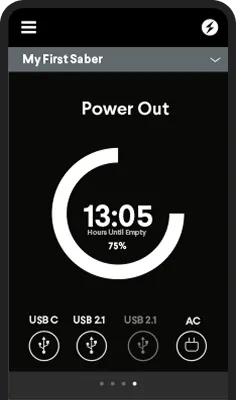
 CheckHub Operations
 Field operations platform for inspections, checklists and reporting.
View case study →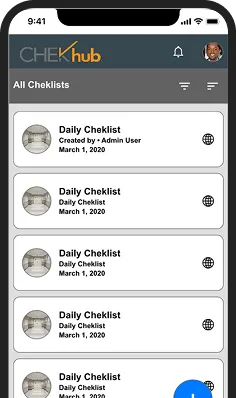
 Loan Agency Fintech
 Loan origination system with partner management and disbursement automation.
View case study →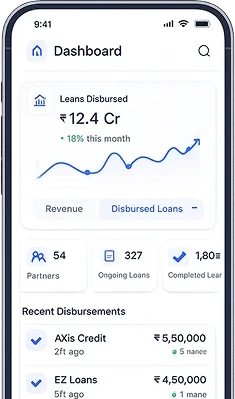
 WeWomen Consumer
 Community app empowering women to connect, learn and grow together.
View case study →
Platforms & frameworks
- iOS
- Android
- Flutter
- Swift
- Kotlin
- AOSP
- React Native
Mobile work
Battle Motors
A unified digital layer for configuring, tracking and managing next-gen electric trucks.
View case study →Change Bowl
A round-up donation app that securely tracks card transactions in real time and turns spare change into recurring charitable giving.
View case study →WeWomen
A women-only marketplace app where women entrepreneurs list businesses and sell to a targeted community, with zero commission on transactions.
View case study →Chromavid
A mobile app that brings real-time green-screen chroma key to everyday users, letting anyone shoot studio-style photo and video composites on a phone.
View case study →AgroTrace
A Flutter app paired with the Thor IoT device that turns soil, weather and crop data into AI-driven farming decisions in real time.
View case study →Edu Books
A cross-platform learning app for children aged 4 to 8 that teaches through interactive games, animations and parent-managed controls.
View case study →Romeo Power
A real-time battery monitoring platform that surfaces health, voltage, temperature and charge-cycle data for an EV battery manufacturer.
View case study →FAQ
AI-powered mobile app development — common questions
Should we build native or cross-platform with Flutter or React Native?
Cross-platform with Flutter or React Native is usually the right call when you want one codebase across iOS and Android and your app is mostly standard UI and networking, which describes most products. Native Swift or Kotlin makes sense when you lean heavily on platform-specific capabilities, demanding graphics, or the latest OS features on day one. We help you weigh team size, timeline, and the specific features that drive the decision.
Can you add AI features to a mobile app?
Yes. Depending on the use case, we run smaller models on-device for privacy and offline support, or call a model API for heavier tasks, often combining both. Mobile adds real constraints around latency, battery, and intermittent connectivity, so we design AI features with caching and sensible fallbacks rather than assuming a fast connection. The goal is a feature that feels native to the app, not a chatbot bolted on.
Do you handle App Store and Play Store submission?
Yes. We manage the full submission process for both stores, including app signing, store listings, privacy declarations, and the review requirements each platform enforces. We design with those guidelines in mind during development so review does not become a last-minute scramble. We can publish under your developer accounts or guide your team through setting them up.
What does post-launch support look like for a mobile app?
Mobile apps need ongoing work because the platforms move underneath them, with new OS versions and SDK changes every year. We provide updates for OS releases, bug fixes, and new features, plus crash and performance monitoring so issues are caught before reviews suffer. Support can be an ongoing engagement or a defined handoff to your own team.
Explore other services